
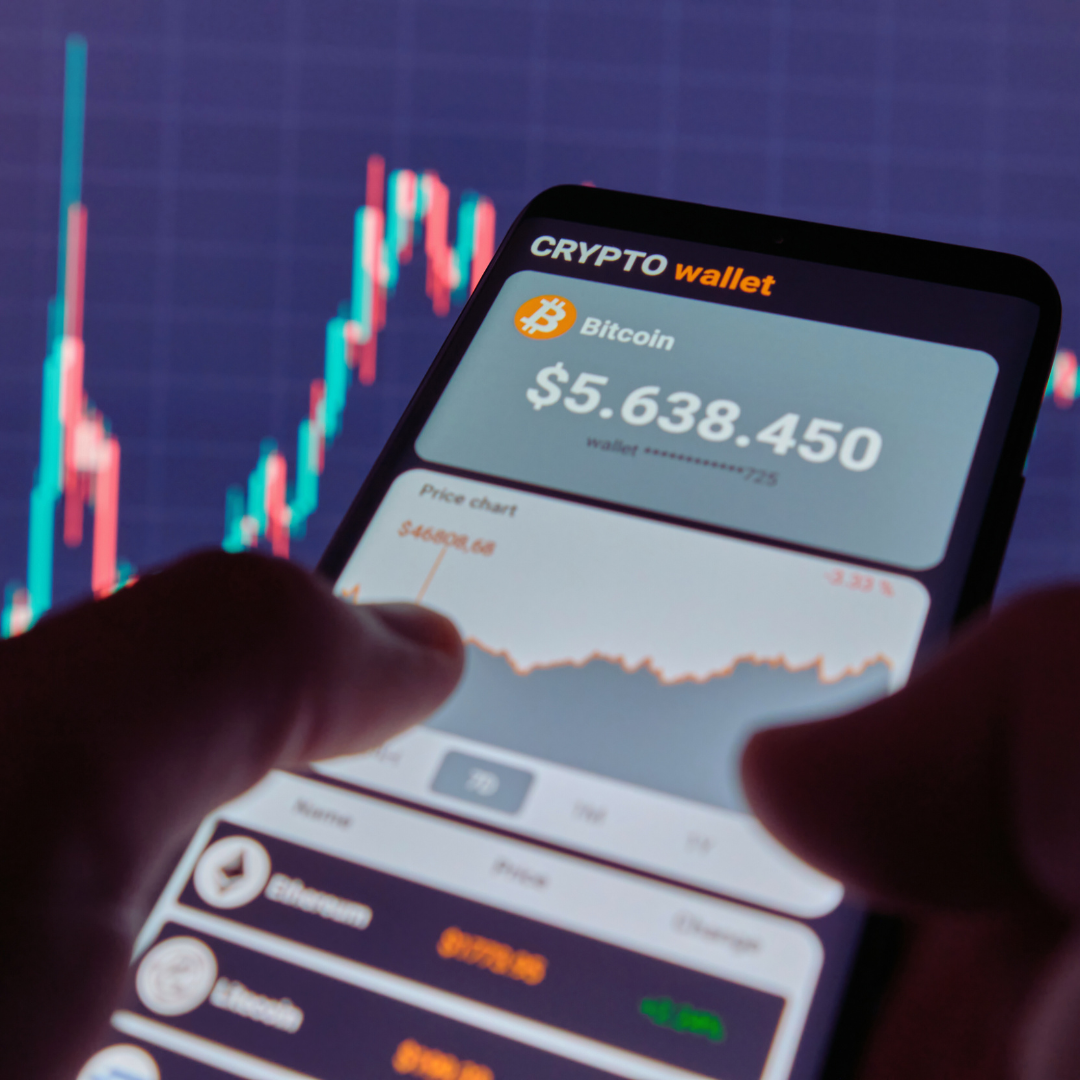
How to Safely Store Your Crypto Assets With Best Practices for Maximum Security
Storing cryptocurrencies securely is essential to protect crypto assets from theft or loss. The best approach involves using a combination of hardware wallets, strong passwords, and multi-factor authentication to reduce risks. The key to safely storing crypto assets is to control private keys offline and avoid leaving them on vulnerable online platforms.
Many beginners make the mistake of relying solely on exchanges or hot wallets, which are more exposed to hacks. Using cold storage options like hardware wallets ensures assets remain safe even if a device or account is compromised. Understanding the different storage methods helps anyone managing cryptocurrency to make informed decisions about their security.
Choosing the Safest Type of Crypto Storage
Selecting the right crypto storage method depends on balancing security and ease of access. This involves understanding the distinction between storing assets online versus offline and comparing different wallet formats to protect cryptocurrencies like BTC and ETH.
Defining Cold Storage and Hot Storage
Cold storage refers to keeping crypto assets completely offline. It is the safest method to prevent hacks because it disconnects private keys from the internet. Examples include hardware wallets and paper wallets.
Hot storage, or hot wallets, remain connected to the internet, allowing faster transactions but increasing vulnerability to cyberattacks. Hot wallets include software wallets on computers or mobile devices and exchange wallets provided by third parties.
Cold wallets prioritize security over convenience, while hot wallets emphasize quick access. Users need to decide their priority based on transaction frequency and value held.
Hardware Wallets vs Software Wallets
Hardware wallets are physical devices that store private keys offline. They are considered one of the safest ways to store crypto because keys never leave the device, minimizing exposure to malware. Popular hardware wallets include Ledger and Trezor.
Software wallets run as apps on phones or computers. While convenient for daily use, they expose private keys to potential hacking and phishing attacks. Security depends on the device’s safety and the wallet provider’s robustness.
Hardware wallets require an upfront cost but offer greater security. Software wallets are often free, but should only be used for smaller amounts or frequent transactions.
Paper Wallets and Their Risks
Paper wallets store private keys in a physical printed format, often as QR codes. They are a form of cold storage but carry risks due to physical damage or loss. Water, fire, or fading ink can destroy the wallet.
Additionally, generating paper wallets must be done securely offline to avoid exposing keys during creation. Paper wallets are less user-friendly for regular transactions and can be vulnerable if not stored properly.
Users must weigh whether the low-tech nature of paper wallets suits their security needs compared to hardware wallets, which offer more durability and ease of use.
Essential Security Practices for Protecting Crypto Assets
Managing crypto asset security requires precise control of critical information like private keys and recovery phrases. It also involves robust methods to prevent unauthorized access and defend against common online threats such as phishing and malware.
Securing Private Keys and Seed Phrases
Private keys and seed phrases are the core to accessing and controlling crypto assets. They should never be stored digitally in plain text or online, where hackers can reach them. Instead, write them down on physical media like paper or metal and store them in secure, separate locations.
Using fireproof and waterproof storage devices can prevent physical damage. Avoid taking photos or scanning the seed phrase to digital devices. Sharing private keys or seed phrases with anyone compromises control over the assets. Offline storage methods, like hardware wallets, add an extra security layer by keeping keys off the internet.
Two-Factor Authentication and Password Management
Two-factor authentication (2FA) significantly increases wallet security by requiring a second verification step alongside the password. Applications like Google Authenticator or hardware tokens are preferred over SMS-based 2FA due to the vulnerability of mobile networks.
Passwords should be complex, unique, and changed regularly. Password managers can help generate and securely store these passwords without reuse. Avoid simple or guessable passwords, and never reuse passwords across crypto-related accounts and services.
Mitigating Phishing Attacks and Malware Risks
Phishing attacks often target crypto holders by masquerading as legitimate services to steal credentials or seed phrases. Users should always verify URLs carefully and avoid clicking email links or attachments from unknown senders.
Regularly updating antivirus software and using malware scanners can detect and remove threats before they compromise wallets. Avoid downloading software or wallet apps from unofficial sources. Running transactions on devices free from malware and ensuring operating systems have security patches reduces risks from online threats.
Custodial vs Non-Custodial Wallets: Control and Risk
Choosing between custodial and non-custodial wallets depends on how much control one wants and the risks involved. Each option offers a distinct approach to managing crypto assets, with differences in security, accessibility, and responsibility for private keys.
Understanding Custodial Wallets and Exchanges
Custodial wallets are managed by third parties, such as crypto exchanges like Coinbase and Binance. Users do not hold their private keys directly; instead, the service stores them, meaning users trust the provider to secure their assets.
This setup simplifies access and recovery, as the provider handles security features like two-factor authentication and cold storage. However, it creates a risk of loss if the exchange is hacked or faces regulatory issues. Funds can also be frozen or restricted by the provider.
In custodial wallets, convenience comes with reduced control, as users rely on the provider for transaction execution and security protocols. This model is favored by those who prefer ease over managing technical details.
Benefits and Drawbacks of Non-Custodial Solutions
Non-custodial wallets like MetaMask and Coinbase Wallet give users full control of their private keys and crypto assets. This independence reduces dependency on third parties, increasing security if proper precautions are taken.
Users are solely responsible for managing their private keys or recovery phrases. Losing these means losing access to their crypto permanently. The benefit is complete control and no risk of funds being frozen by a third party.
Non-custodial wallets often integrate with decentralized applications, offering greater flexibility. However, they require more technical knowledge and strict security habits to avoid phishing or key theft.
In non-custodial solutions, security and control are user-driven. It suits those comfortable with self-managing digital assets and understanding the risks involved.
Best Practices for Managing and Accessing Crypto Wallets
Proper management of crypto wallets involves securing backups, keeping software and devices current, and avoiding common security errors. These steps decrease the risk of losing assets or falling victim to attacks.
Backup Strategies for Wallets
Backing up a crypto wallet is critical to recover assets if the device is lost or damaged. Users of hardware wallets like Ledger and Trezor should write down the seed phrase on a durable medium and store it in a separate, secure location.
For software wallets, encrypted digital backups can add protection but should never replace offline copies of seed phrases. Multiple backups in geographically distinct places reduce risk.
Using metal seed phrase storage devices helps prevent damage from fire or water. It is also wise to update backups if the wallet software generates a new recovery phrase after updates or recovery procedures.
Updating Devices and Wallet Software
Regularly updating hardware wallet firmware and wallet software is essential to maintain security. Manufacturers such as Ledger and Trezor release updates that patch vulnerabilities and improve functionality.
Before updating, users should verify the update source via official channels or websites to avoid fake versions that could compromise their private keys.
Both hardware and software wallets benefit from running the latest stable versions, as older software may have unpatched security flaws, especially for popular cryptocurrencies like Bitcoin and Ethereum.
Common Storage Mistakes to Avoid
One frequent error is storing seed phrases or private keys digitally without encryption, making them vulnerable to hacking. Avoid saving recovery phrases on cloud storage or notes apps.
Relying on a single backup increases the chance of total loss. Users should also never share seed phrases or private keys, as doing so exposes wallets to theft.
Using software wallets on compromised or infected devices can lead to malware stealing credentials. Hardware wallets offer better security by isolating private keys from potentially vulnerable systems.